
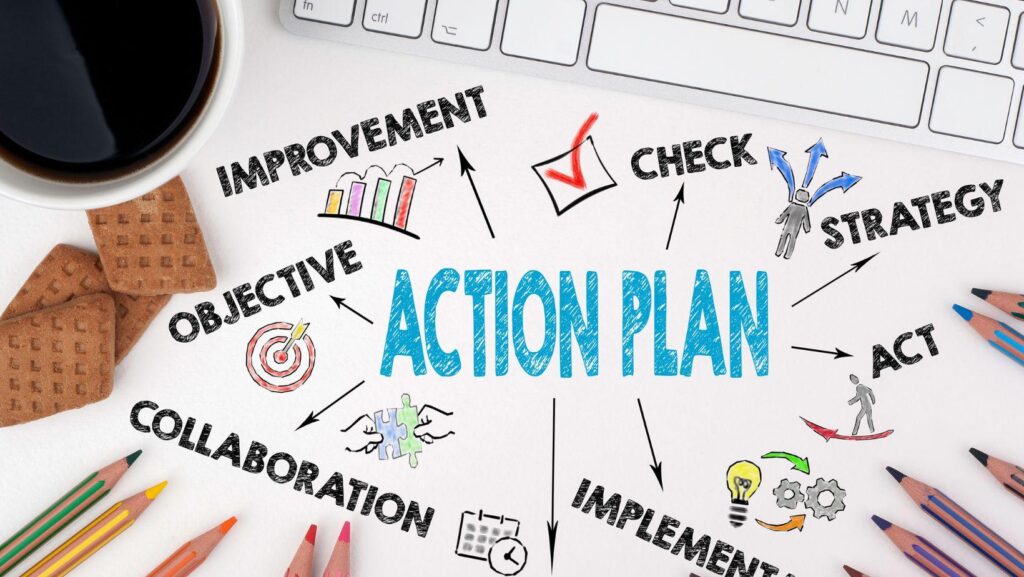
A workplace safety plan requires more than just a dusty first aid kit on the wall. Equipping your team with certified training ensures rapid, confident responses to sudden cardiac arrests, choking, and severe injuries. Modern blended learning courses make compliance straightforward while protecting your workforce.
Imagine a normal Tuesday morning at the office. You are grabbing a coffee, chatting with a coworker, and suddenly they collapse to the floor. Would anyone in your building know what to do next? Panic sets in fast when people feel helpless.
Ensuring your team holds a valid CPR Certification changes everything, turning a moments-long crisis into an organized, heroic response. It builds a supportive environment where workers actually look out for one another.
What is a Workplace Safety Culture?
A real safety culture is not just about checking boxes for a local inspector. It means your employees walk into the building every day knowing they are protected. When people feel safe, they work better and stay happier.
Accidents do not send warning signs before they happen. A slip on a wet floor or a sudden medical emergency can occur in any industry. Having trained staff on every shift means professional help starts before the paramedics even park their vehicle.
How Does Blended Learning Save Your Business Time?
We get it. Shutting down production for a multi-day training session is incredibly tough for a growing business. That is why modern training platforms have evolved to respect your schedule.
Blended learning divides the material into two highly digestible parts:
- Online Theory: Employees study the concepts, watch instructional videos, and pass quizzes online at their own speed.
- In-Class Skills: The team gathers for a brief, hands-on session focusing purely on muscle memory, chest compressions, and practical scenarios.
This mix keeps your business moving without sacrificing the quality of the life-saving skills your staff receives.
Why Should You Learn to Use an AED?
Automated External Defibrillators (AEDs) are hanging on the walls of almost every community hub, gym, and corporate office these days. Yet, so many people are absolutely terrified to touch them. They worry they might make a mistake and hurt someone.
Modern classes remove that fear completely. These devices are literally built to talk you through the entire emergency. They will not deliver a shock unless the victim actually needs it, meaning you cannot accidentally do the wrong thing.
If you are looking for first aid training near Downtown Oshawa, Simcoe Street South and Gibb Street, or other areas close to our facility, then you may reach out to Coast2Coast First Aid/CPR – Oshawa in that area. For more info and articles like this visit: https://www.c2cfirstaidaquatics.com/
What Are the Most Common Workplace Safety Questions? (FAQs)
How long does a standard workplace first aid certificate last?
Most government and WSIB-approved standard first aid certificates remain fully valid for three years from the date you complete your practical exam.
Can any employee use an AED during an office emergency?
Yes, anyone can use a public AED. However, getting certified gives your team the composure to grab the device quickly and use it without hesitation.
What is the difference between Level C and BLS training?
Level C covers CPR for adults, children, and infants for general workplaces. Basic Life Support (BLS) is a specialized track designed specifically for healthcare professionals and first responders.
Is online-only training acceptable for workplace compliance?
Generally, no. Official regulatory bodies require an in-person, hands-on skills component to verify that an employee can physically perform effective chest compressions.
How often should a business review its first aid plan?
It is smart practice to review your emergency procedures and restock your physical first aid kits at least once every six months to ensure compliance.