
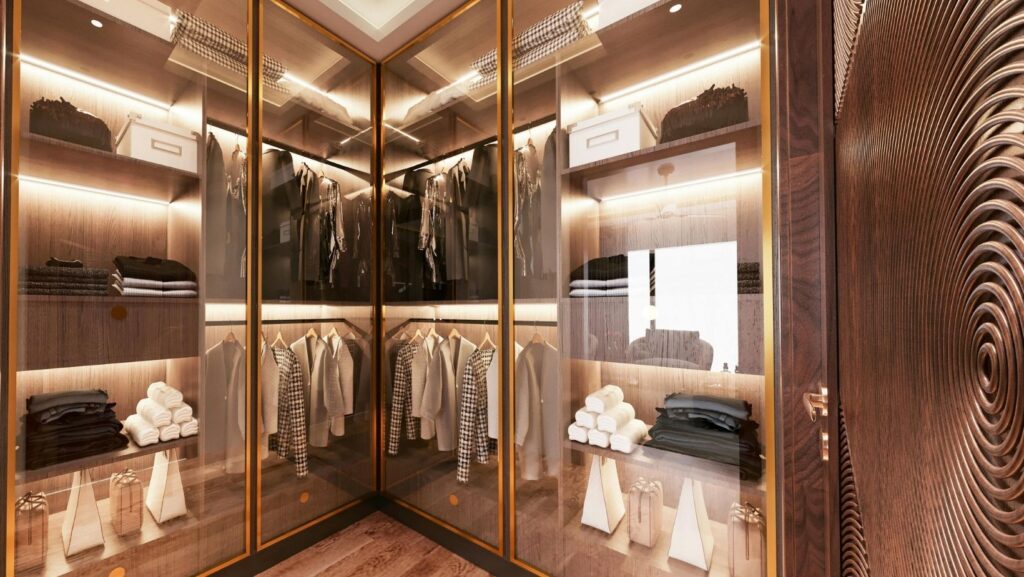
Sixty-three items hanging in the wardrobe. Not a single thing to wear. This is not a storage problem. It is not a budgeting problem. It is not even a fashion problem, strictly speaking. It is a relationship problem, specifically, a bad relationship with clothes that are already owned.
The solution most people reach for is buying more. Which, if you think about it for even a moment, is like solving a cluttered desk by ordering more stationery.
1. Empty It Out Completely
Everything out. Not a quick scan and a reshuffling. Every single item off the rail, out of the drawer, pulled from the shelf where things go to be forgotten about for eleven months. Yes, the bed disappears under a pile. Yes, it looks like a jumble sale exploded in the bedroom. That is the point.
Because suddenly, things that have been invisible for two years become visible again. That blazer from four years ago that actually still works. The trousers that were buried under three other pairs. The edit that follows should be ruthless: anything unworn for over a year, anything that does not fit, anything kept out of guilt rather than love, goes. What remains is a wardrobe that is smaller and actually functions.
2. Take Things to a Tailor Before Writing Them Off
Here is something that does not get said enough. Fit is doing more work than colour, pattern, or price ever could. A jacket that sits slightly too wide on the shoulders does not look expensive. It looks borrowed. The same jacket taken in properly looks entirely intentional.
Most wardrobes are full of clothes that are close to right but not quite there. A tailor fixes a close. A hem, a waist, a sleeve length. Alterations cost a fraction of what replacement would, and the result is clothing that looks like it was chosen for a specific person rather than whichever size was left on the rack. Personal shopping consultants notice this within minutes of reviewing a client’s existing pieces. The clothes are often not the issue at all.
3. Stop Dressing in Outfits. Start Thinking in Proportions.
A wide leg trouser needs something fitted on top. A voluminous blouse needs a cleaner bottom half. This is not a rule handed down from a fashion authority. It is just how the eye works. When both halves of an outfit compete for attention, neither wins and the whole thing looks busy.
The interesting thing is that most wardrobes contain the pieces to do this well. What they lack is the habit of thinking this way when getting dressed. Reaching past the usual combinations and trying the slightly unexpected pairing, that is where outfits nobody has worn yet start to appear.
4. Find the One Piece That Is Actually Missing
Sometimes there is a genuine gap. One specific item that would unlock ten others. A clean white shirt that goes under everything. A flat shoe that sits between trainers and heels. A belt that makes loose things look considered. Not ten new purchases. One.
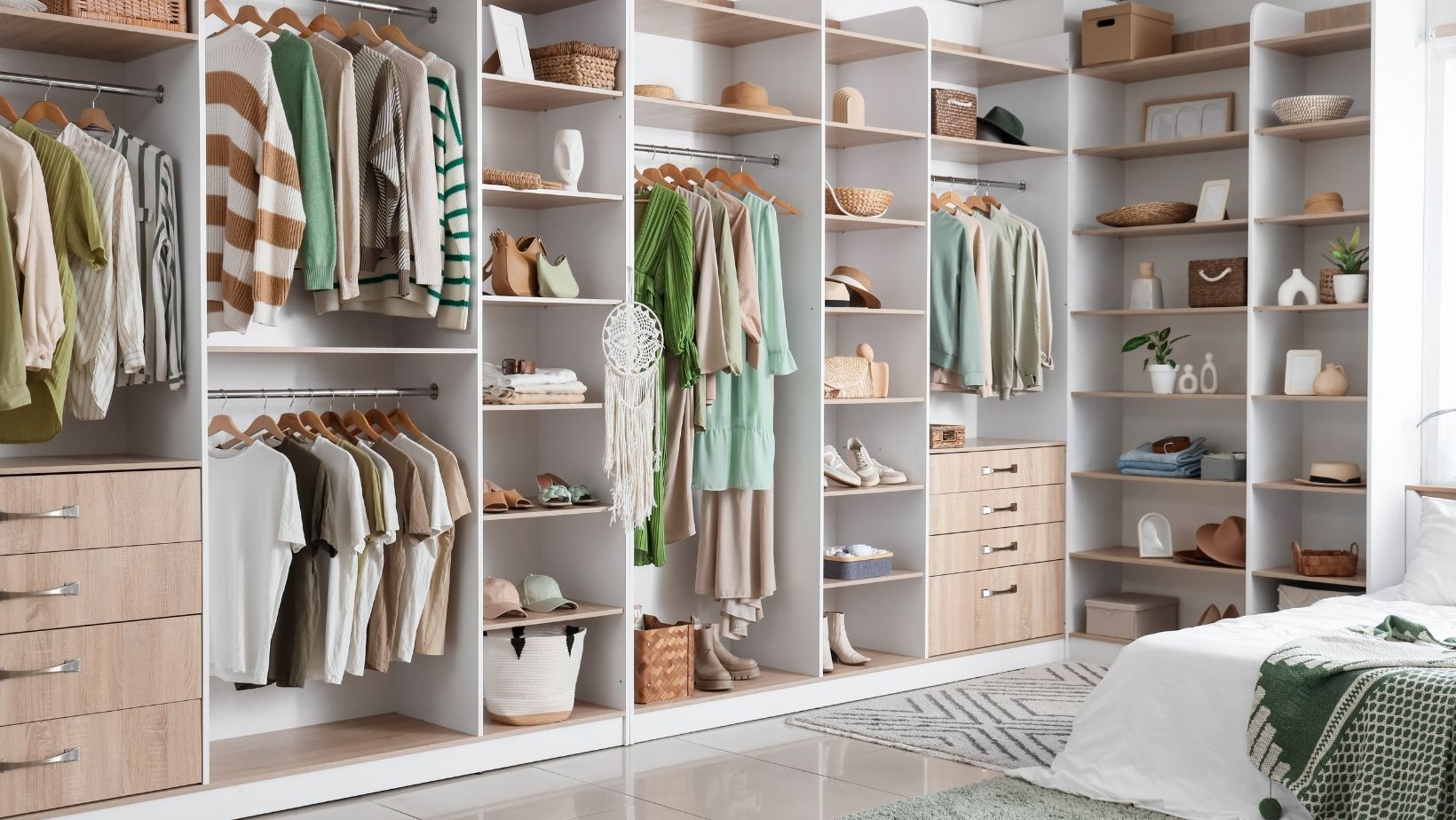
This is where personal shopping is genuinely useful. Not as permission to spend, but as a diagnostic exercise in figuring out what is actually missing versus what just looks appealing in a shop window. The right one purchase outperforms five wrong ones every time.
5. Try Combinations That Have Never Been Tried
Familiarity bias is quietly ruining most wardrobes. The same four outfits get worn on rotation because they are known quantities. Meanwhile, combinations that would actually work sit untested because they seem unlikely.
Texture against texture. Pattern with a plain that echoes one of its colours. A smart piece with something casual. None of this costs anything. It just requires five minutes of actually trying things rather than defaulting to what was worn last Tuesday. The wardrobe has not changed. The thinking has. That is the transformation.