

Modern acceptable facelift strategies are experiencing a shift away from the “pull-and-stretch” era of plastic surgery. For decades, the industry standard was essentially a two-dimensional operation: excise excess skin and pull the remainder taut. That approach is now widely considered obsolete by top-tier specialists because it ignores the actual biological cause of aging while providing outcomes with recurring failure like windswept looks and volume mismanagement.
As the modern patient’s goal shift from “looking different” to “looking like my younger self, Modern practitioners are moving toward structural preservation by performing procedures that respects the blood supply and nerve integrity of the face.
1. Understanding the Strategic Evolution of Facelift Surgery
Modern facelift surgery represents a tectonic shift in surgical philosophy: moving away from “skin-only” procedures toward deep-tissue structural support. Today’s specialists treat the face as a three-dimensional structure, where aging is driven largely by the descent of deeper tissues.
Key developments in modern surgical philosophy include:
Ø SMAS-based techniques: Targets the foundation- a fibrous, muscular layer that sits between your skin and your facial bones (rather than the skin itself); and the skin above it comes along for the ride without needing to be pulled to the point of distortion.
Ø Deep-plane methods: repositioning muscles and cheek fat rather than stretching them.
Ø Volumetric restoration: correcting the downward shift of facial fat compartments.
For patients who need precise, well-balanced results, consultations on this website can help guide treatment choices that create outcomes that look refreshed rather than “done.” Their expertise lies in repositioning structures so the face ages naturally after surgery.
2. Indications: Recognizing When a Facelift Becomes the Right Strategy
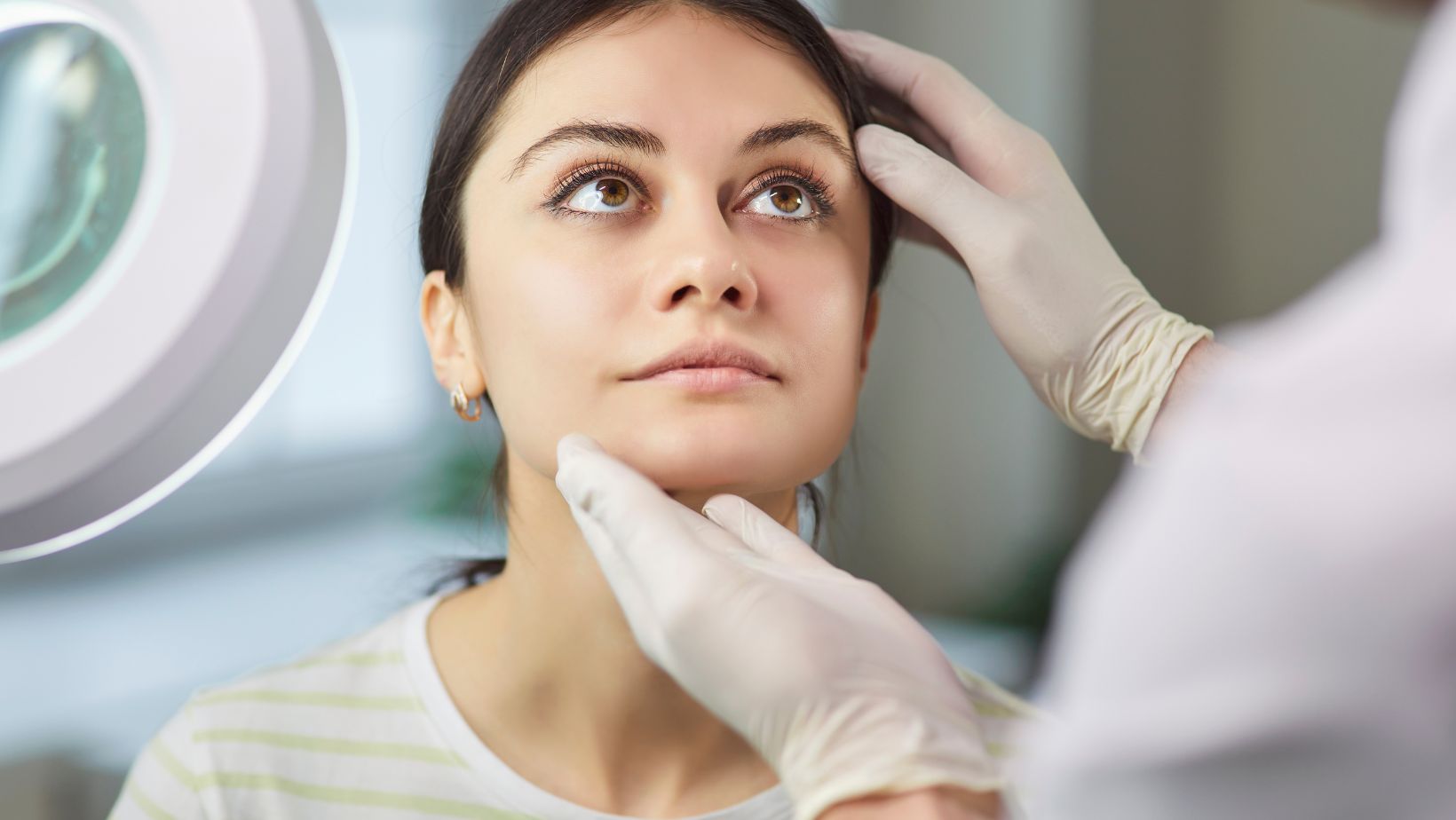
Not every sign of aging requires surgical correction. Experienced surgeons spend significant time identifying whether a facelift is actually the appropriate path.
Three common indicators typically guide that conversation:
Ø The jowls: The sagging below jawline that causes it to lose clean contour. An expert surgeon doesn’t just trim the skin here; they tighten the muscle itself in the neck to rejuvenate the youthful jawline.
Ø Deepening nasolabial folds: A surgical lift that corrects fat that slide down towards the mouth. Also helps restore a naturally refreshed and vibrant expression. Note: While fillers (a non-surgical approach) are common, they can result to unwanted heavy or puffy face.
Ø Mid-face laxity: increasing distance between the lower eyelid and cheek.
Done professionally, these strategies collectively aim to achieve harmonious structural rejuvenation rather than mere “tightening.”
3. Strategically Aligned Procedures: Matching Technique to Anatomy
One of the biggest mistakes in facial surgery is assuming a single technique works for everyone. High-level practices in London avoid that trap by aligning procedures precisely with the patient’s structural needs.
Depending on the pattern of aging, surgeons may recommend:
Ø Deep-plane or composite lifts
Ø Release and reposition cheek fat and muscles.
Particularly effective for prominent nasolabial folds.
Mid-face lifts
Ø Focus on sagging cheeks in patients who do not yet need neck correction.
Ø Often suited to individuals in their 40s.
MACS lift (Minimal-Access Cranial Suspension)
Ø Shorter incision near the ear.
Ø Vertical lifting technique with quicker recovery.
The guiding principle is precision: selecting the least invasive method that still produces durable structural improvement.
4. Anatomy, Safety, and Longevity: Where Expertise Truly Matters
Behind every refined facelift result is a deep understanding of facial anatomy. This is where experience becomes non-negotiable.
Specialists must navigate a network of delicate structures, particularly:
Ø Facial nerve branches responsible for expression.
Ø Retaining ligaments that anchor soft tissue to bone.
Ø Blood supply networks that keep skin and deeper layers viable.
Modern deep-plane and composite techniques preserve these systems by lifting tissue as a well-vascularized unit, rather than separating layers aggressively.
This approach does more than improve safety—it contributes to results that remain stable over time, allowing the face to continue aging naturally.
In essence, for anyone considering facelift surgery in London, the real differentiator isn’t access to a procedure—it’s access to thoughtful expertise. The most respected specialists approach each face as a unique structure requiring tailored strategy. When planning, anatomy, and surgical precision align, the outcome isn’t obvious change. It’s quiet confidence that lasts for years.