
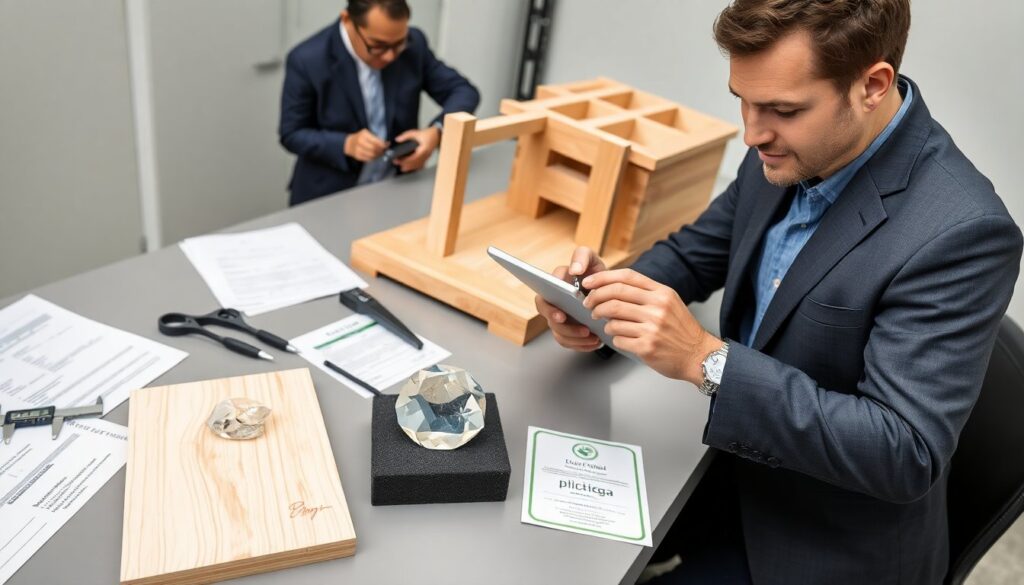
Materials used pine review crystal plicabiga appears in recent product notes and reviews. The article lists the primary materials and explains their roles. It shows how each material affects strength, finish, and lifespan. The reader will get clear facts about pine, crystal parts, and the likely identity of plicabiga. The text avoids jargon and gives direct care and sustainability tips.
Key Takeaways
- Materials used in pine review crystal plicabiga include pine wood for structure and lightness, crystal for visual clarity, and plicabiga likely as a flexible polymer connector or decorative element.
- Pine grades and species affect strength and finish; buyers should check these to predict stability and appearance.
- Crystal components vary between leaded crystal, optical glass, and acrylic, each offering different clarity, sparkle, and durability characteristics.
- Plicabiga is probably a molded polymer composite providing impact resistance and shape retention, with performance depending on its fillers and additives.
- Manufacturers join these materials using adhesives, mechanical fasteners, and specialized mounts to protect integrity and ensure durability.
- Sustainability and care recommendations include sourcing certified pine, using recycled crystal, cleaning gently, avoiding harsh solvents, and regular maintenance to extend product lifespan.
At-A-Glance: Key Materials And Why They Matter
This summary lists the key items and their purpose. Materials used pine review crystal plicabiga highlights pine wood, crystal components, and a material called plicabiga. Pine supplies structure and low weight. Crystal supplies visual clarity and highlight accents. Plicabiga likely supplies flexible joining or decorative elements. Each material affects cost, durability, and care. Designers choose pine for cost control. Craftsmen choose crystal for optical quality. Manufacturers choose plicabiga for form or function. Readers can use this list to compare models and make buying decisions.
Pine Wood: Species, Grade, And Structural Properties
The section describes pine species, grade, and strength. Materials used pine review crystal plicabiga often refers to common softwoods like Scots pine or Eastern white pine. The supplier picks clear grades for visible parts and knotty grades for rustic looks. Pine offers moderate density, straight grain, and ease of machining. Pine resists moderate loads but dents easier than hardwood. The builder uses glue and screws where pine joins. The finish soaks into pine and changes its tone. Buyers should check species and grade to predict stability and surface appearance.
Crystal Components: Composition, Clarity, And Durability
This section explains what crystal parts likely contain. Materials used pine review crystal plicabiga often names crystal for glass-like accents. The crystal parts may be leaded crystal, optical glass, or high-clarity acrylic. Leaded crystal gives high refractive index and sparkle. Optical glass gives clarity with less weight than lead crystal. Acrylic gives impact resistance but lower scratch resistance. Suppliers test clarity by measuring light transmission and bubble count. Consumers should inspect for chips, internal stress lines, and secure mounting. Proper mounting reduces stress and lowers fracture risk.
Plicabiga Material Identification: What It Likely Is And How It Performs
The section identifies plicabiga and lists performance traits. Materials used pine review crystal plicabiga shows plicabiga as an uncommon term. The term likely denotes a molded polymer, composite, or trade name for a flexible connector. The material may combine fiberglass, polyurethane, or ABS with a surface finish. Plicabiga may provide impact resistance and shape retention. It may behave like a polymer with moderate heat resistance. The performance depends on fillers and additives. Suppliers often test plicabiga for tensile strength, elongation, and UV resistance. Buyers should request data sheets or samples to confirm fit for purpose.
Manufacturing And Joinery: How The Materials Are Combined
This subsection covers how makers join pine, crystal, and plicabiga. The craftsperson mills pine panels and shapes crystal mounts. The factory uses mechanical fasteners, adhesives, and compression fittings. The assembler glues pine surfaces with PVA or polyurethane adhesive. The installer secures crystal with silicone pads or brass clamps. The producer uses plicabiga pieces as clips, seals, or decorative trims. The assembly process controls tension and prevents point loads on crystal. Quality control checks alignment, adhesive cure, and fastener torque before finishing.
Finish, Coatings, And Surface Treatments
This subsection outlines common finishes and treatments. The maker sands pine and applies stain, sealers, or lacquer. The finish protects pine from moisture and light. The coating alters color and shows grain. The manufacturer coats crystal with anti-scratch or anti-reflective layers when needed. The producer applies coatings to plicabiga for UV and abrasion resistance. The applicator cures finishes under controlled humidity and temperature. The buyer should check finish warranties and repair options for scratches or chips.
Sustainability, Care, And Longevity Recommendations
This section gives care advice and sustainability notes. Materials used pine review crystal plicabiga may vary in environmental impact. Pine from certified forests reduces deforestation risk. Crystal made from recycled glass lowers energy use. Plicabiga with recycled polymer content reduces waste. The owner should dust crystal with a soft cloth and use mild soap for stains. The owner should avoid harsh solvents on finishes and avoid direct sunlight for prolonged periods. The owner should tighten fasteners yearly and inspect mounts for stress. Proper care extends life and reduces the need for replacement parts.