
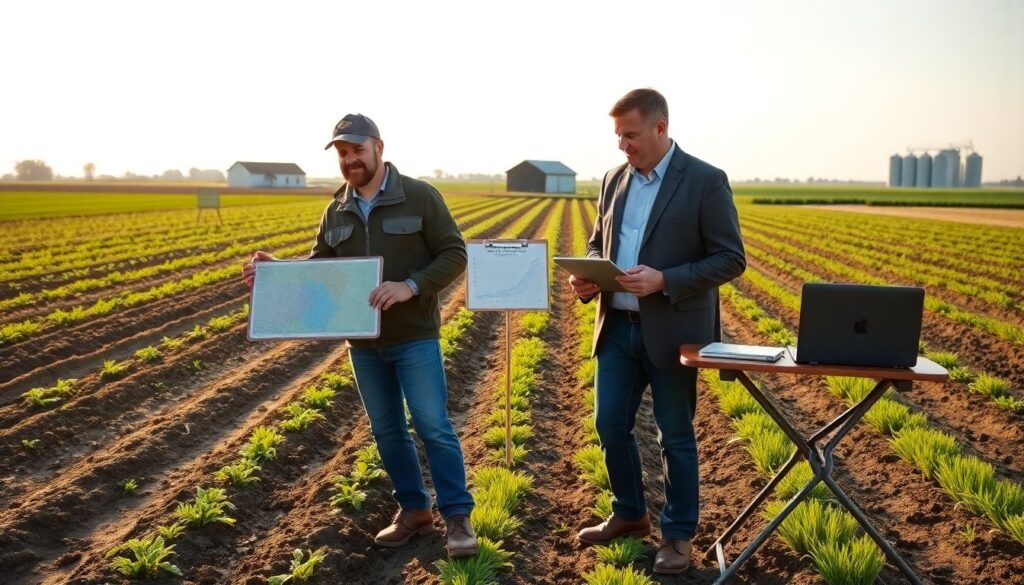
Pozimdozhoz revolutionary farming method plicabig arrives as a practical system for farms in 2026. It reduces soil loss and raises average yields. It uses simple tools and clear steps. Farmers report faster recovery after drought. Researchers note measurable soil-carbon gains. This article defines the method, lists core principles, shows proven benefits, and explains how farms carry out it.
Key Takeaways
- Pozimdozhoz revolutionary farming method plicabig improves soil health by preserving structure and maintaining continuous ground cover.
- This method combines directed tillage, layered mulch, and timed irrigation to optimize water retention and plant root growth.
- Implementing plicabig increases crop yields by 8–20%, enhances drought recovery, and raises soil organic carbon levels.
- The system reduces input waste by using targeted nutrient applications and soil testing to adjust fertilization precisely.
- Farmers can adopt plicabig on small to medium farms with simple tools and phased changes, ensuring cost-effectiveness and adaptability.
- Measuring key metrics like soil organic carbon, infiltration rate, and yield per zone helps optimize the plicabig method seasonally.
What Is Pozimdozhoz Plicabig? A Clear, Practical Definition
Pozimdozhoz revolutionary farming method plicabig is a field-level system for crop production. It combines directed tillage, layered mulch, and timed irrigation. The method focuses on soil structure, water retention, and plant roots. It sets fixed zones for planting, cover cropping, and fallow. It uses simple records for rotation and water use. Farmers adopt the method to stabilize yields and restore degraded ground. Extension teams test the method on trial plots before full adoption.
Core Principles That Make Plicabig Different
Pozimdozhoz revolutionary farming method plicabig rests on four plain principles. First, it preserves soil structure by limiting deep tillage. Second, it keeps continuous cover with residues and cover crops. Third, it times water to match crop demand. Fourth, it sequences crops to break pest cycles and build organic matter. These principles shift work from emergency fixes to planned routines. They reduce input waste and improve predictability. Advisors recommend small trials to tune the principles for local climate and soils.
Soil, Water And Nutrient Management In Plicabig
Pozimdozhoz revolutionary farming method plicabig uses shallow cultivation and targeted amendments. It places compost near root zones and avoids broadcast fertilizer. It directs irrigation to active rows and uses sensors to stop excess wetting. It encourages soil testing every season and adjusts nutrient inputs by crop need. It keeps a residue layer to cut evaporation and reduce erosion. This approach lowers fertilizer runoff and concentrates nutrients where plants can access them. The method also schedules small, frequent nutrient applications to match uptake.
Crop Sequencing, Microclimate Control, And Biodiversity Strategies
Pozimdozhoz revolutionary farming method plicabig plans crop order to build soil and reduce pests. It alternates deep-rooted and shallow-rooted crops. It adds short-lived legumes to fix nitrogen and break disease cycles. It places windbreaks and shade strips to change field microclimate. It uses strips of wildflowers to host beneficial insects. It keeps a small grain or cover crop in rotation to protect soil during off-seasons. This set of practices raises diversity and makes fields less vulnerable to a single stress.
Proven Benefits For Yield, Resilience, And Sustainability
Pozimdozhoz revolutionary farming method plicabig delivers measurable benefits in trials and on farms. Trials show yield increases of 8–20 percent for grains and vegetables. Trials show improved drought recovery and faster canopy closure. Trials show higher soil organic carbon after three seasons. Farmers report lower fuel use and reduced fertilizer costs. Researchers measure more earthworm activity and better infiltration rates. Public studies link the method to lower nutrient runoff. The method gives producers clearer risk profiles and steadier cash flow in many climates.
How To Implement Plicabig On A Small Or Medium Farm
Pozimdozhoz revolutionary farming method plicabig fits small and medium farms with modest changes. It asks managers to map fields, record past yields, and set rotation blocks. It asks for basic tools: light cultivator, residue spreader, and simple moisture sensors. It asks operators to phase changes across a few fields rather than all ground at once. It asks for seasonal reviews to adapt timing and inputs. It keeps cost low by reusing local materials like compost and mulch.
Step-By-Step Setup, Daily Practices, And Monitoring Metrics
Pozimdozhoz revolutionary farming method plicabig starts with a three-step setup. Step one: map fields and mark zones for planting, cover, and fallow. Step two: apply mulch and set shallow tillage depth. Step three: install simple sensors and pack a field log. Daily tasks include checking soil moisture, inspecting residue cover, and noting pest signs. Weekly tasks include targeted nutrient shots and brief soil probes. Key metrics are yield per zone, soil organic carbon change, infiltration rate, and input cost per hectare. Farmers track these metrics and adjust the plan each season.