
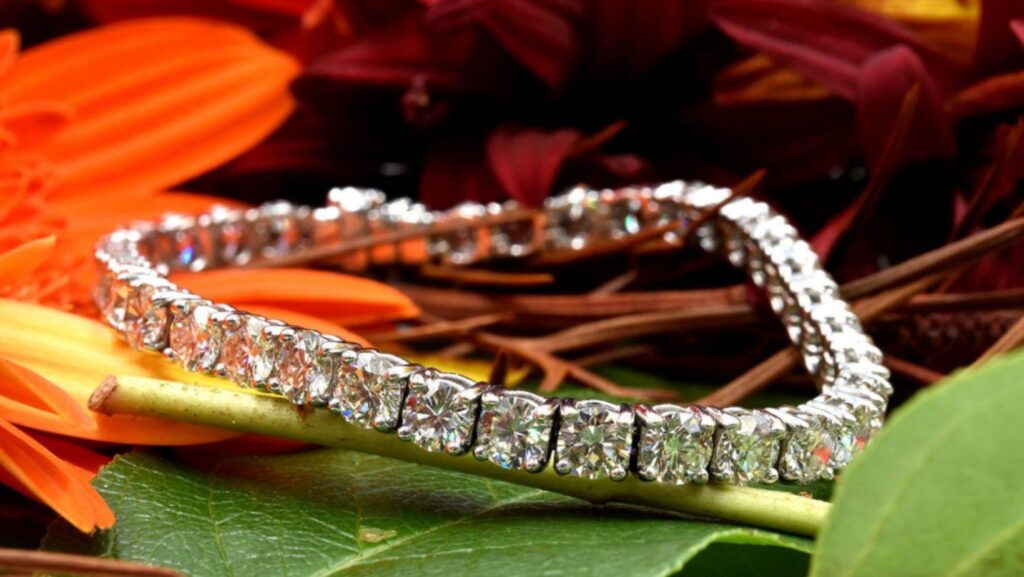
Selling a diamond necklace or bracelet for top value starts with understanding what buyers are actually evaluating. The diamonds matter, but the metal, brand, craftsmanship, condition, and supporting documents can also influence the final offer.
A strong sale usually comes from preparation rather than speed. Before accepting a price, gather the right information, compare buyers, and make sure the piece is valued as complete jewelry rather than only for its materials.
Find Any Existing Certificates
Look for diamond grading reports, purchase receipts, insurance documents, previous appraisals, or branded packaging. A grading report may include information about the diamonds’ carat weight, color, clarity, and cut.
Documentation helps buyers verify the piece more quickly. It can also reduce uncertainty, especially when the necklace or bracelet features several diamonds rather than a single central stone.
Do not worry if the original papers are missing. The jewelry can still be examined, although professional testing may be required.
Identify the Metal and Brand
Check the clasp, back, or inner surface for metal stamps such as 14K, 18K, 750, PT950, or Platinum. These markings give buyers an early indication of the metal content.
Also look for a designer signature, serial number, or maker’s mark. Signed jewelry from an established brand may be worth much more as a complete piece than its diamonds and metal would be separately.
Understand How Multiple Diamonds Are Valued
A necklace or bracelet may contain dozens of small diamonds. Their combined weight can be significant, but smaller stones are often valued differently from a single large diamond of the same total carat weight.
Buyers may consider:
Matching stones and well-made settings can improve the value of the finished piece.
Avoid Removing the Diamonds
Do not remove the diamonds from the necklace or bracelet before seeking professional advice. Removing stones can damage the settings and make the jewelry harder to sell as a complete design.
A buyer may offer more for an intact designer or vintage piece than for a group of loose diamonds. Keep all links, clasps, safety chains, and original components together.
Get a Professional Evaluation
People who plan to sell diamonds online should start with a detailed evaluation from a qualified buyer or appraiser. Clear photographs can support an initial estimate, but the final value usually requires in-person testing of the diamonds and metal.
Ask whether the evaluation includes both the jewelry’s resale potential and its material value. This helps you understand whether the offer is based on the complete piece or only on the estimated diamond and metal content.
Compare Net Offers
When you sell jewelry online, compare more than the headline price. Review shipping costs, insurance, authentication fees, commissions, and payment timing.
Ask each buyer:
The best offer is the amount you actually receive after all deductions.
Prepare the Jewelry Carefully
Use a soft, dry cloth to remove fingerprints, but avoid harsh chemicals or aggressive cleaning. Damaged clasps, loose stones, or worn links should be disclosed rather than hidden.
Photograph the entire piece, close-ups of the diamonds, the clasp, hallmarks, serial numbers, and any visible wear. Accurate records make the selling process clearer and provide protection if the jewelry is shipped for inspection.